
Dressing a child with Sensory Processing Disorder (SPD) can often feel like navigating a minefield. For many children with SPD, clothing can be a source of significant discomfort, leading to distressing behaviors that are often misunderstood as mere “playing up.” In this blog post, we’ll explore the common dressing issues faced by these children, how caregivers can better understand their needs, and how sewing custom clothes can provide a practical solution.
Understanding Sensory Processing Disorder
Sensory Processing Disorder is a condition that affects how the brain processes sensory information. For children with SPD, everyday experiences—like wearing clothes—can become overwhelming. They may exhibit a variety of behaviors when faced with clothing that doesn’t meet their sensory needs, including:
- Avoidance: Refusing to wear certain garments or becoming upset when they have to get dressed.
- Tantrums: Displaying extreme frustration or anger when clothing is uncomfortable or restrictive.
- Fidgeting: Constantly adjusting or pulling at their clothes in an attempt to find comfort.
- Withdrawal: Retreating from social situations where they feel exposed or uncomfortable in their clothing.
It’s important to recognize that these behaviors are not simply “acting out.” They are genuine responses to sensory overload and discomfort. Understanding this can help caregivers respond with empathy and support.

Custom Sewing Solutions
At Ruth Maddock Makes, we offer a variety of sewing patterns designed specifically for children with sensory processing issues. Here are some features that make our patterns suitable:
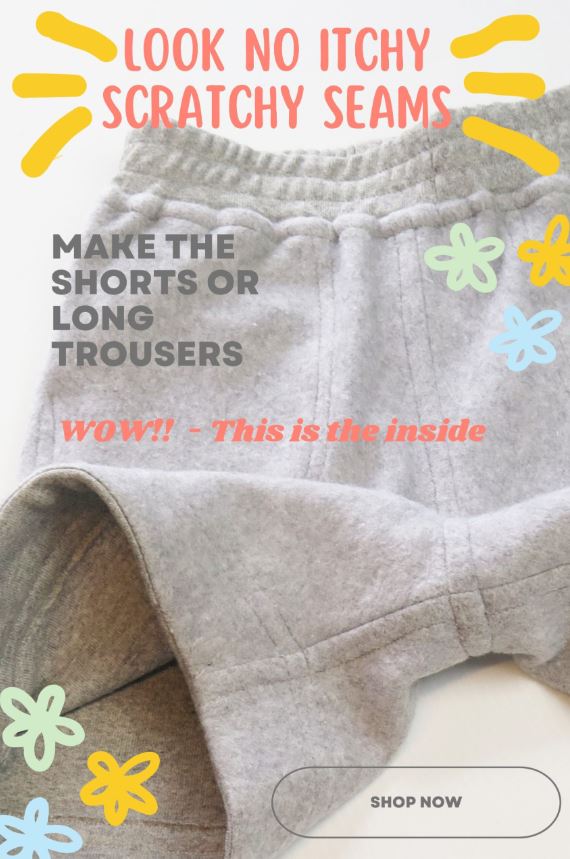
1. External Seams
Traditional clothing usually have internal seams that can irritate sensitive skin. Our patterns have external seams, reducing the likelihood of discomfort and allowing for smoother, softer clothing.
2. Large Necklines
Many children with SPD find tight necklines uncomfortable. Our patterns feature large necklines that provide ample space, making it easier for kids to dress themselves and preventing the sensation of constriction.
3. Reversible Designs
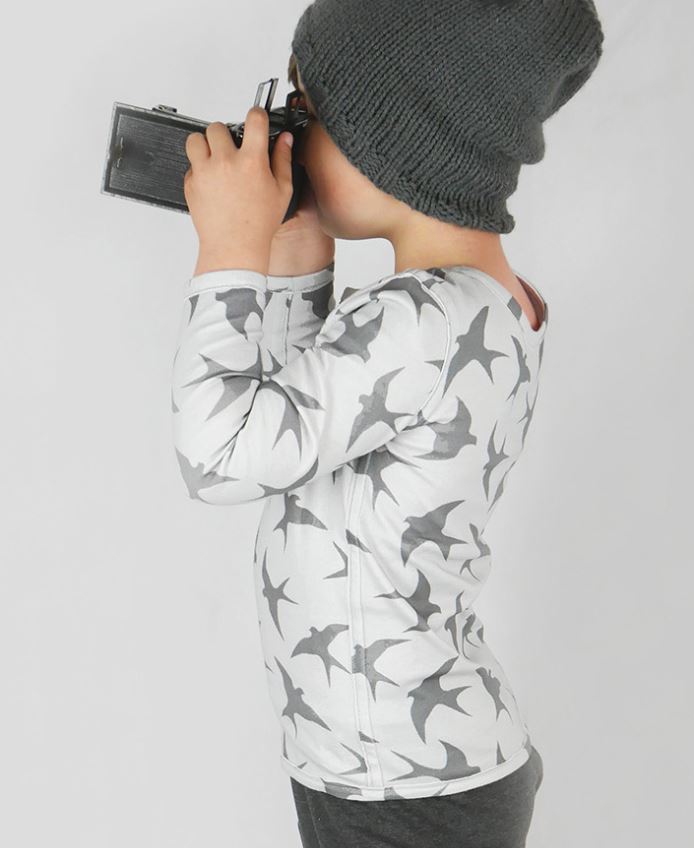
All children – including those with SPD – struggle with getting clothes on the ‘right way round’, and may often put their clothes on backward. Our reversible (‘anyway round’) designs are perfect for this, allowing them to wear the garment comfortably regardless of which side is facing front.
4. Soft Fabrics
The choice of fabric is crucial for sensory-sensitive children. Our patterns recommend soft, breathable or repurposed fabrics that minimize irritation and provide a comforting feel against the skin.
The Benefits of Custom Clothing
- Empowerment: Allowing children to choose their fabrics and styles can empower them to take part in the dressing process, fostering independence and confidence.
- Comfort: Custom-made clothes can significantly improve a child’s comfort level, making daily routines less stressful for both the child and the caregiver.
- Expression: Custom clothing gives children the opportunity to express their personalities through colors, patterns, and styles that they love, enhancing their self-esteem.
Get Help with Sewing From Family or Friends
Sewing Custom Clothes: If a family member has sewing skills, they can create custom clothing tailored to the child’s sensory needs. This not only ensures a better fit but also allows for the use of soft fabrics and designs that accommodate sensory sensitivities. For busy moms of sensory children, having a family member step in to sew can be a huge relief, providing practical support and ensuring that the child is comfortable in their clothing.
Conclusion
Dressing a child with Sensory Processing Disorder can be challenging, but with understanding and creativity, caregivers can help make the experience more manageable. Sewing custom clothes tailored to their needs can not only alleviate discomfort but also empower children to express themselves.
If you’re interested in exploring our sewing patterns designed for sensory-sensitive children, visit Ruth Maddock Makes Sewing Patterns. Together, we can create clothing solutions that prioritize comfort and joy for the children we love.
Feel free to reach out if you have any questions about our patterns or if you need support in creating the perfect clothing for your child!