Home > Ruth's Blog > Uncategorized > Discover 6 Ways to Make Sensory Friendly Clothes for Children that Really Work?
Discover 6 Ways to Make Sensory Friendly Clothes for Children that Really Work?
Sensory Friendly Clothes for Children
If your child struggles to get dressed in the morning — tugging at their shirt, refusing socks, or melting down at the feel of a seam — you’re not alone.
Discover how to create sensory friendly clothes for children that really work: learn to sew comfortable outfits for your sensory child.
Many children experience sensory sensitivities that make ordinary clothing feel unbearable. For some, it’s the scratch of a label or the stiffness of denim. For others, even a lumpy seam or tight cuff can cause genuine discomfort.
These sensitivities are common in children with sensory processing differences, which can be caused by autism, or ADHD — but may affect any child who happens to be especially aware of how things feel on their skin.
That’s where sensory friendly clothing comes in. It’s not about making something “special,” but about designing garments that feel good to wear — soft, smooth, and free from irritants
Key Features of Sensory Friendly Clothing for Kids
Whether you’re shopping for sensory friendly clothing or making them yourself, these are the design features that make the biggest difference.
1. Soft, Natural Fabrics
Comfort starts with fabric choice. Cotton jersey, bamboo, and modal are favourites because they’re breathable, stretchy, and gentle on the skin. Avoid scratchy synthetics and textured weaves. Get to know what your child prefers.
Sewist’s tip: When choosing fabric, gently rub it against your cheek. If it feels smooth there, it’s likely to feel soft enough for sensitive skin too.
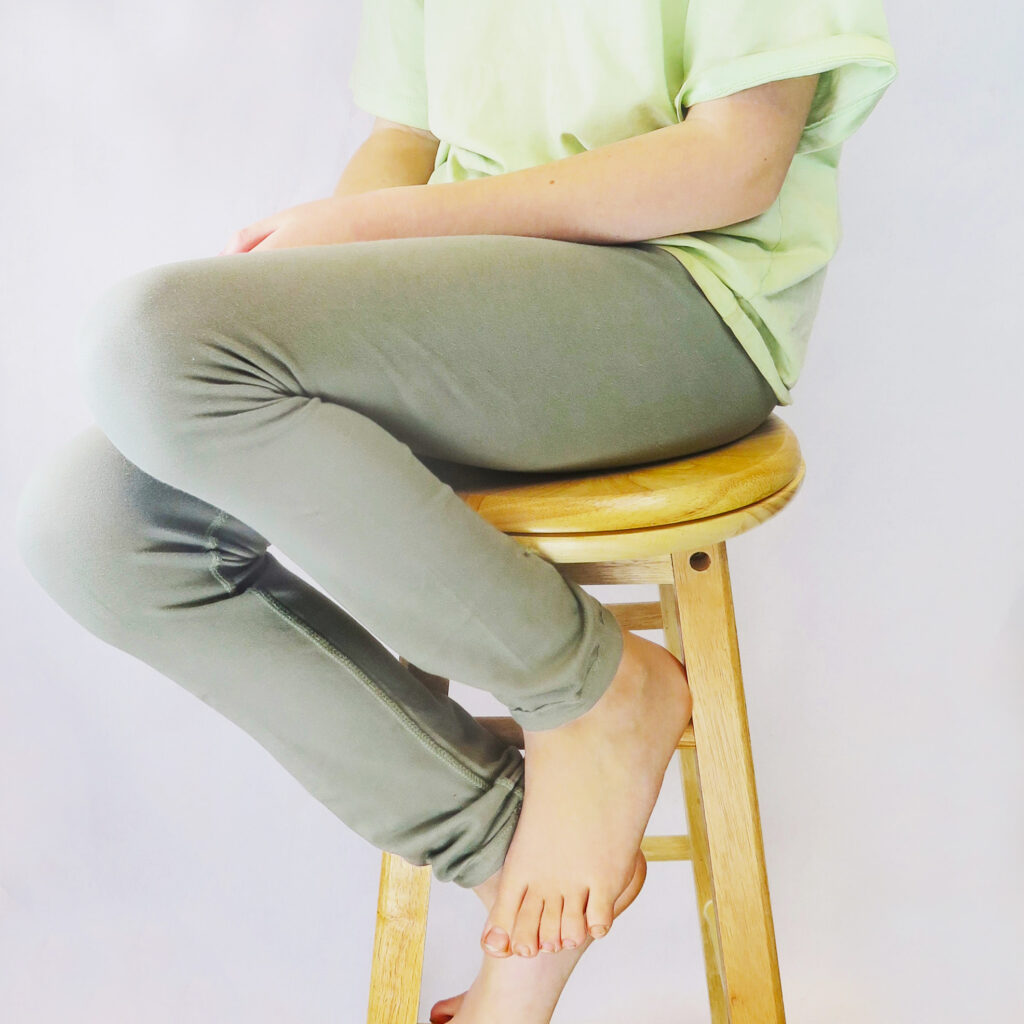
Why not try making the Lily Leggings for your little girls - all the seams are on the outside.
2. Flat or Enclosed Seams
Even the tiniest ridge inside a seam can feel huge to a sensitive child. That’s why flat seams or bound seams are key.
Try:
Sewing seams that are pressed to one side and topstitched flat
Using the ‘Flat Fell’ seam method or French seams
Encasing seam allowances in soft bias binding
Using an overlocker / serger with a soft woolly nylon thread for minimal bulk
These methods don’t just increase comfort — they make garments look beautifully finished too.
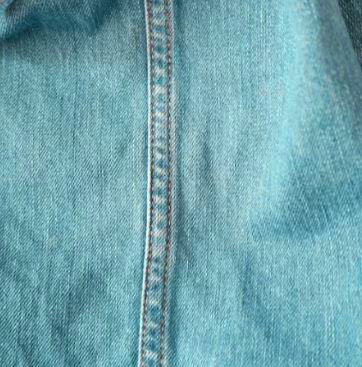
Flat Fell seams are often used on Jeans - but they make great seams for Sensory Kids as they are worked entirely on the outside of the garment
3. No Tags or Scratchy Labels
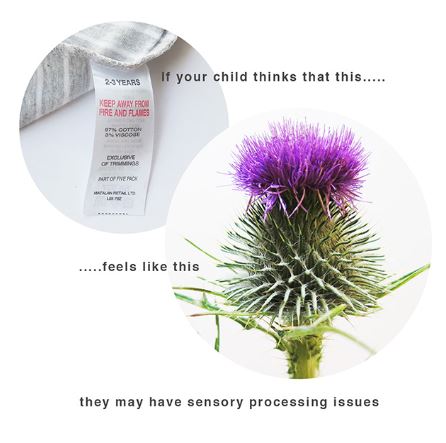
Labels are one of the most common triggers for sensory discomfort.
A lot of manufacturers are now aware of this and create removable labels or even labels printed on to the fabric.
When making your own sensory friendly clothes for childrenyou can avoid labels altogether. Or if necessary stitch a small soft tab on the outside.
Keep it simple: write size and care details on a piece of cotton tape and sew it flat where it won’t rub.
'Ouch'
4. Gentle Closures and Stretchy Openings
Zips and buttons can be tricky for small fingers — and rough metal hardware (like heavy zips) can irritate. Sensory-friendly designs often use soft elastic, Velcro, or magnetic closures, or feature pull-on styles with big necklines that avoid fastenings entirely.
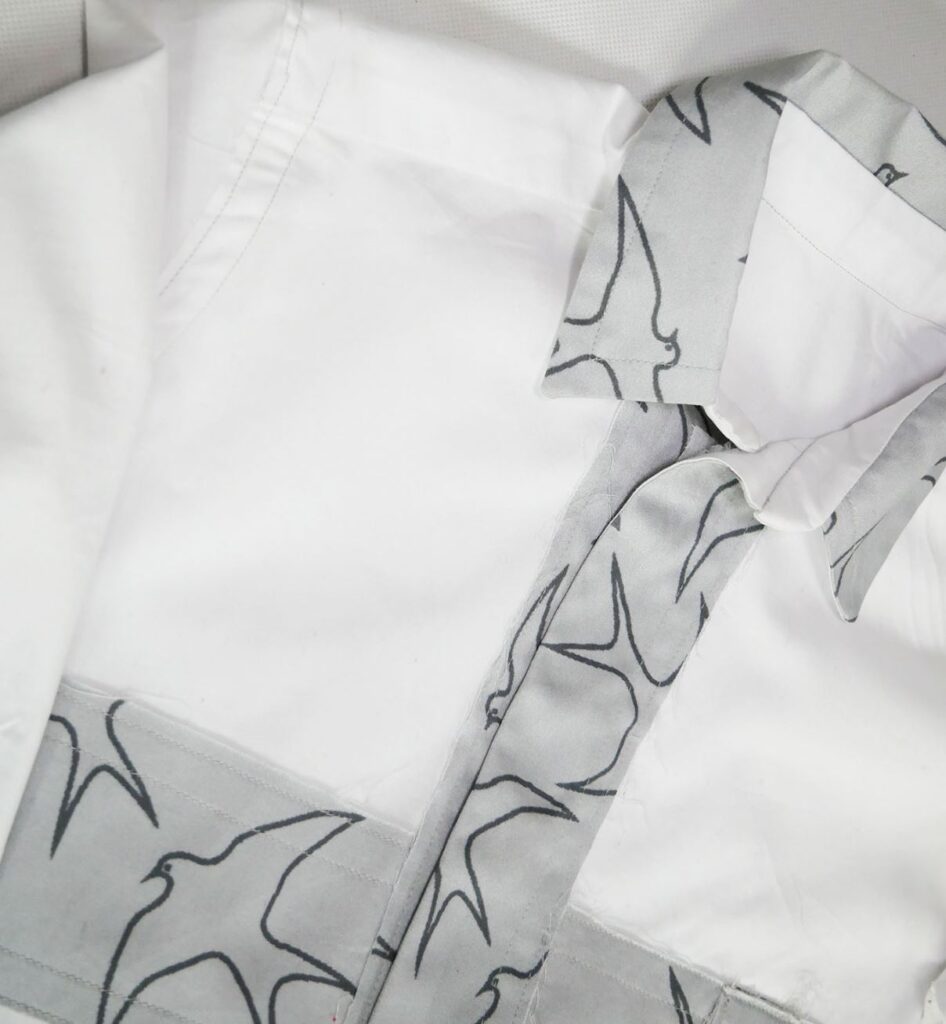
This Shirt Fasten with Velcro or Buttons
5. Soft Waistbands and Cuffs
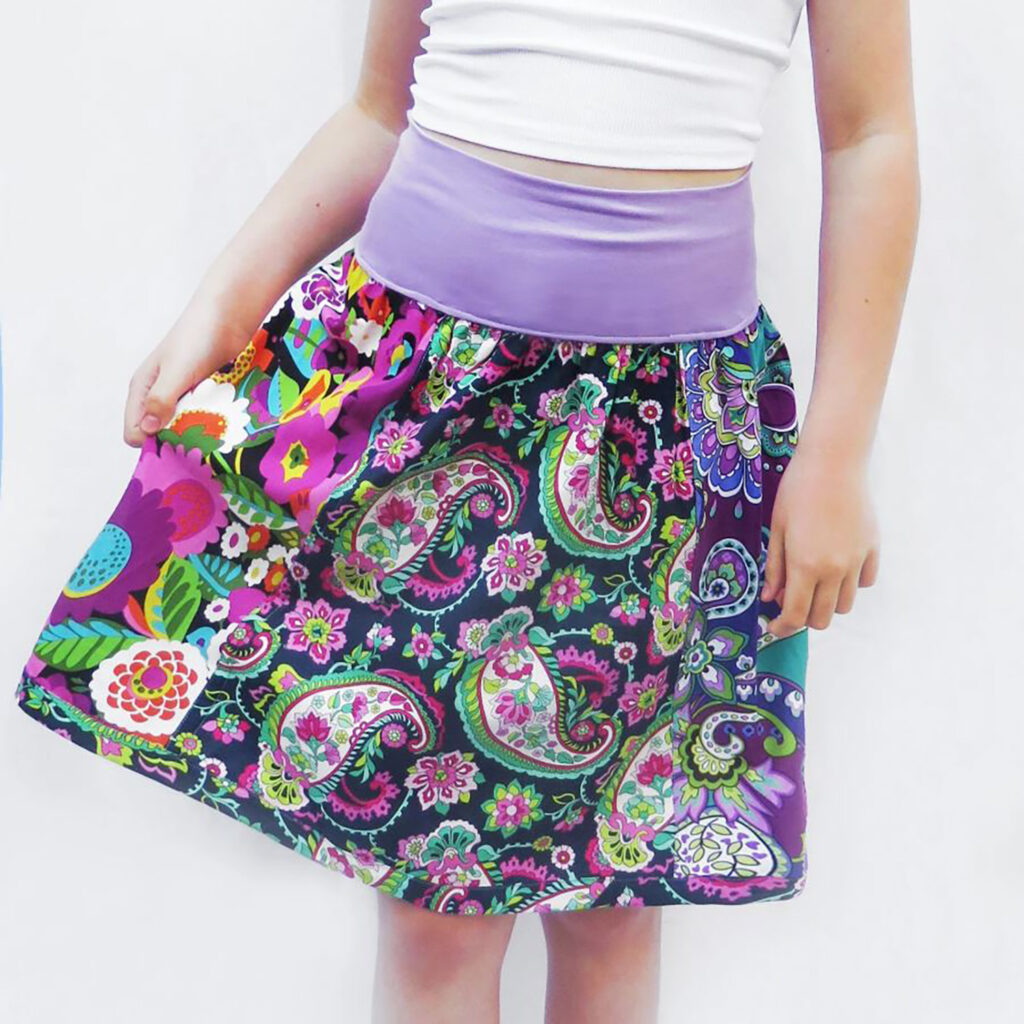
Waistbands, ankle and sleeve cuffs are often pressure points. Choose wide, soft elastic encased in fabric, or make cuffs from soft stretchy rib knit instead of tight woven bands. Always check the fit — it should fit comfortably without leaving marks.
The Jasmie Skirt has a Soft Yoga Waistband
6. Minimal Layers and Loose Fit
Many sensory kids prefer clothes that don’t cling or bunch. Go for styles that are slightly loose, allow movement, and don’t require extra underlayers. Breathable knits are ideal because they stretch gently and move with the body.
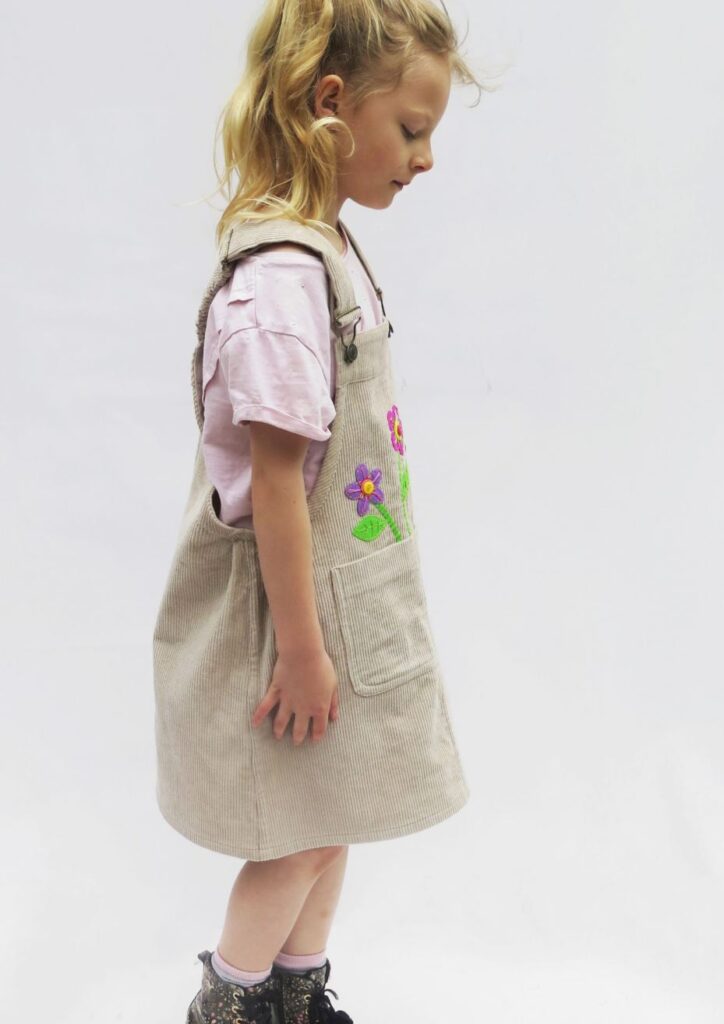
However some children need tight clothing that provides pressure on the skin.
This Pinafore can be worn with tight or loose clothing underneath
Why Handmade Patterns Are Perfect for Sensory-Friendly Designs
One of the wonderful things about sewing for sensory-sensitive children is the control it gives you. You can choose every fabric, seam, and fastening.
Store-bought “sensory” clothing is still limited and expensive — but with the right pattern and a few simple adjustments, you can make everyday clothes that your child actually enjoys wearing.
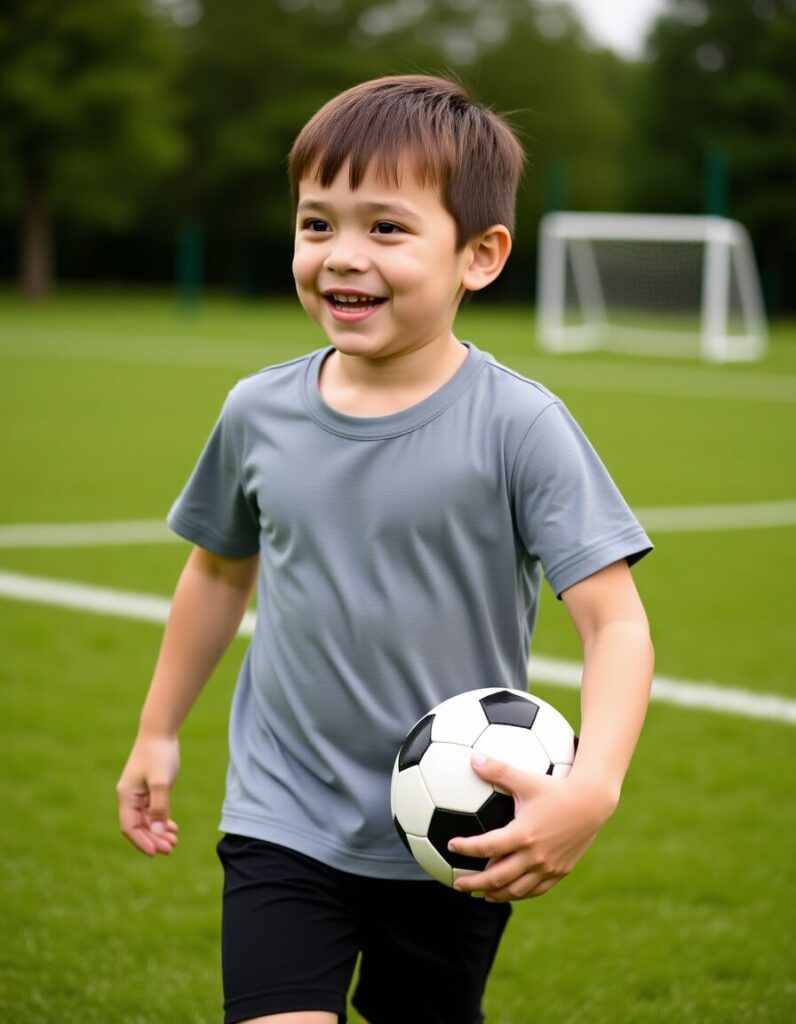
If you’d like to start making your own clothes for sensory kids , start with my Billy T Shirt Pattern. This will introduce you to the techniques used when making clothes for Sensory Kids.
The Billy T Shirt is an easy beginner make.
How to Get Started
If you’re new to sewing for sensory needs, begin small:
Let your child feel the fabrics and choose what they like
Use a pre-owned fabric – something you no longer wear or from a charity / thrift shop. Older fabrics are softer.
Each successful piece builds confidence — for both you and your child.
Final Thoughts
Sensory friendly clothing isn’t a trend — it’s a thoughtful way to help children feel calm, comfortable, and confident in their own skin. With the right materials and a mindful approach to design, you can create garments that make everyday life easier and happier.